
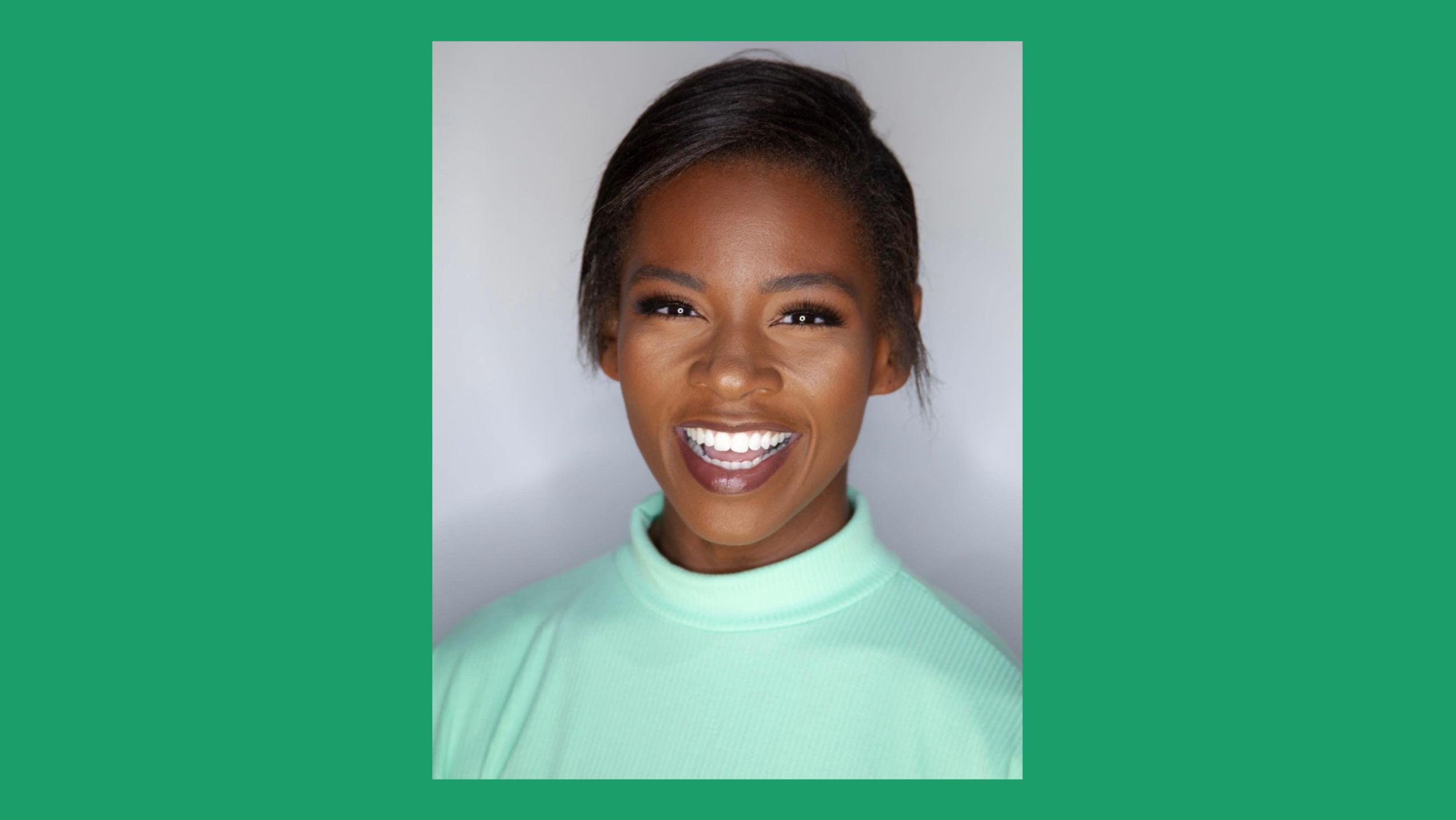
Meet an Excellence in Teaching Awards educator: Ariana Snowden
February 6, 2026
We’re featuring some of the educators who were recognized with 2025 Excellence in Teaching Awards for making a significant impact on students’ academic growth.
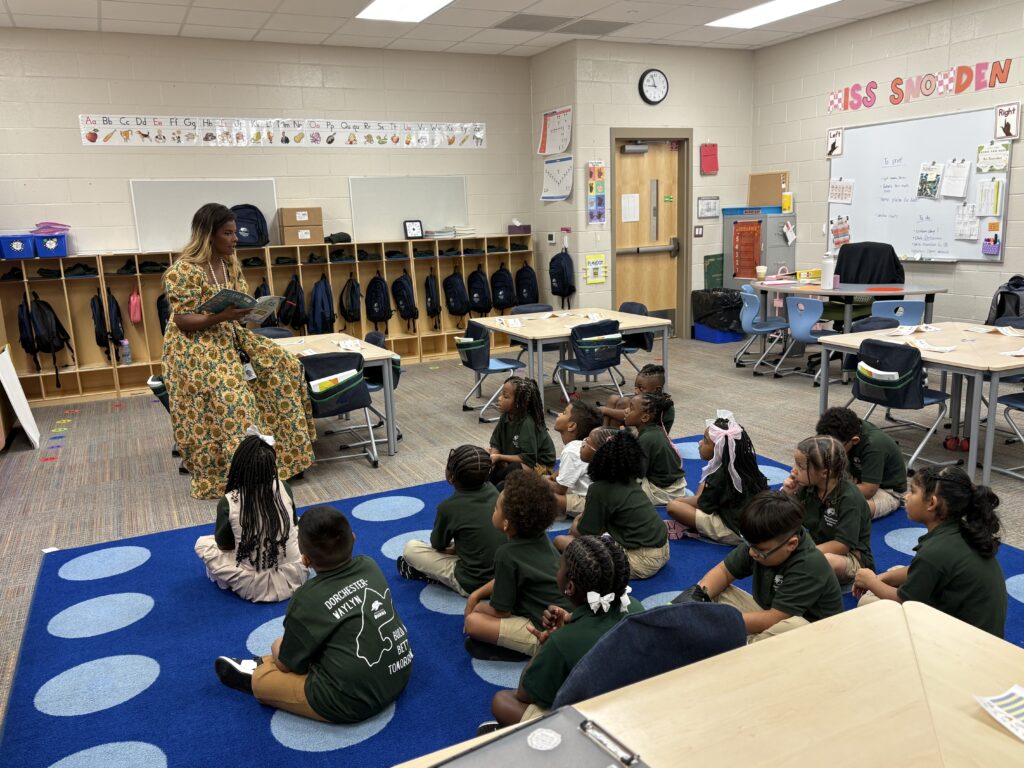
Ariana Snowden is a first grade English/language arts teacher at Meeting Street Elementary – Burns and has been teaching there for eight years. Her students’ Magnitude of Growth in reading was 1.87, which means they grew 87 percent more than expected in one academic year.
How has the Excellence in Teaching Awards made a difference in your life personally and/or professionally?
The Excellence in Teaching Award has been truly life-changing for me. I have been fortunate to receive the award each year since the program began, and it has provided both financial stability and meaningful opportunities that would not have otherwise been possible.
The award allowed me to replace my car after it unexpectedly broke down after ten years, and it has supported my intentional efforts to pay down student loans and credit card debt. More than anything, it has eased the financial pressure many educators experience, allowing me to focus fully on my work while also creating personal experiences and long-term financial security. That sense of stability has positively impacted both my personal life and my professional capacity as an educator.
How do you maintain high levels of student engagement and motivation throughout the school year?
Teaching is hard work, and I strongly believe that joy must exist alongside rigor in order for students to thrive. In our classroom, we hold high expectations and deeply believe that every student is capable of proficiency and beyond. Students are encouraged to push one another toward excellence while also supporting each other through moments of struggle.
To sustain engagement, we intentionally make learning fun, meaningful and memorable. This might look like incorporating movement and songs into phonics instruction to help make learning “stick,” or slowing down instruction to allow for deeper discussion when students’ curiosity leads us beyond what was originally planned. My goal is for students to leave first grade not only with strong academic foundations, but also with positive memories of learning that stay with them long after our time together.
How do you measure and assess the effectiveness of your teaching methods?
I believe strongly in maintaining open lines of communication when evaluating my teaching practice. I regularly seek feedback from my peers, instructional coach and principal, and I also value student voice as an important measure of effectiveness.
I often ask students to reflect on lessons: What helped them learn? What felt challenging? And what do they want to continue doing? Their feedback helps me adjust instruction in real time and ensures that my teaching remains responsive, reflective and student-centered.
What are some ways you build strong relationships with your students? And how do these relationships contribute to their academic success?
Building strong relationships with my students is foundational to everything I do. I prioritize creating a classroom environment where students feel safe, valued and deeply known. I take time to learn about who they are as individuals—their interests, strengths and challenges—and I show them consistently that I believe in their ability to succeed.
Because students trust me, they are more willing to take academic risks, ask questions and persist through challenges. These relationships create a classroom culture where effort is celebrated, mistakes are part of learning and students feel confident pushing themselves academically. As a result, strong relationships directly support higher engagement, perseverance and student achievement.
