
Special event honors exceptional teachers
October 5, 2026

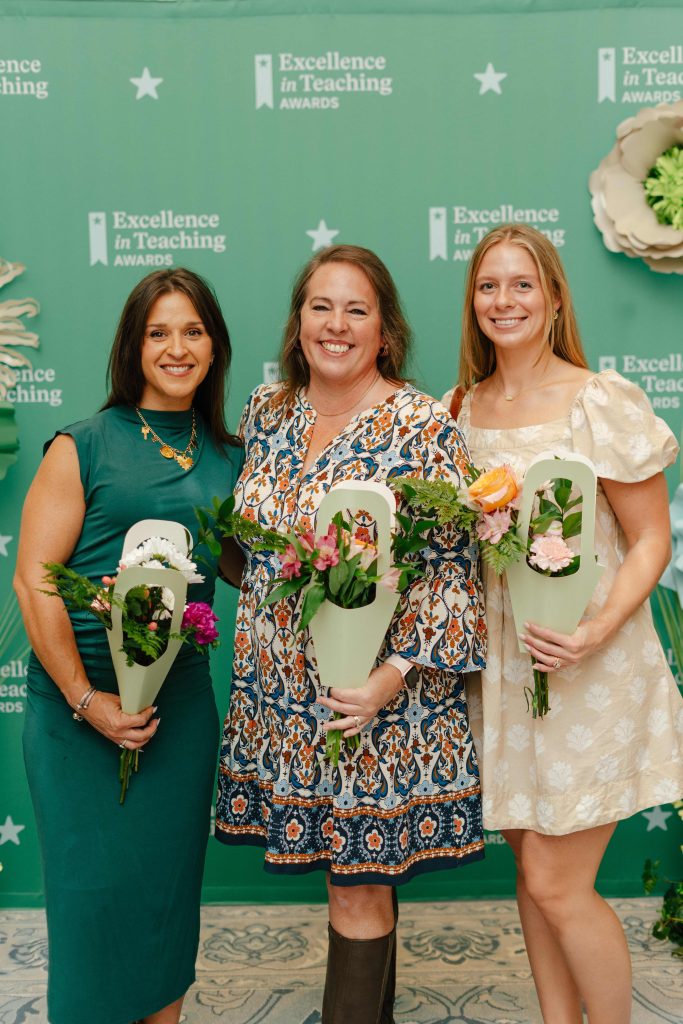
Hundreds of South Carolina teachers were celebrated Saturday for ensuring their students made dramatic academic growth and achievement during the 2025-26 school year.
The Excellence in Teaching Awards provide performance bonuses to educators based on students’ results, and teachers whose students achieved at least 25 percent more academic growth than expected were invited to a special celebration at The Charleston Place.
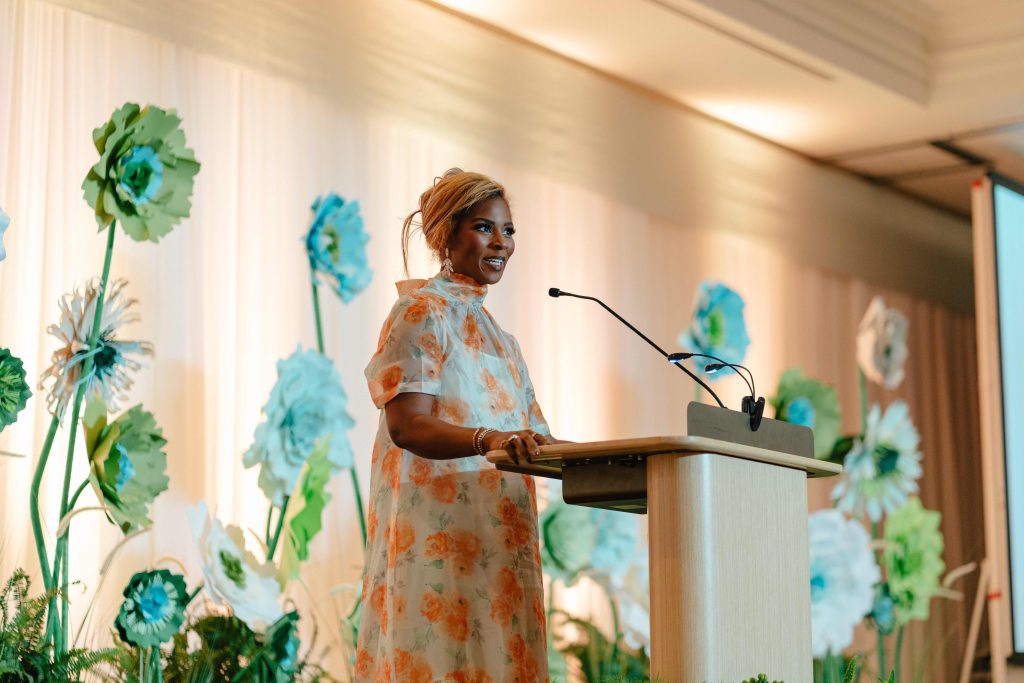
“You are our VIPs,” Beemok Education President Josh Bell told educators. “We want South Carolina to be known as a place for excellent teaching, not only for recognizing, but also for rewarding and compensating for excellent outcomes.”
Nearly 425 teachers in Charleston County School District, Meeting Street Schools and Compass Collegiate earned awards for the 2025-26 school year, with additional recipients expected as awards are finalized at schools across the state.
Founded seven years ago by Ben and Kelly Navarro, the Awards are philanthropically funded in Charleston County School District and Meeting Street Schools. State funding has allowed the Awards to expand to other counties, and the program now serves 57 schools across South Carolina.
Bell pointed to Meeting Street Elementary – Burns as an example of what sustained access to strong teaching can mean for students. A decade ago, 6 percent of Burns students were on grade level in reading and 8 percent were on grade level in math. Today, those figures are 68 percent and 59 percent, respectively.
“It takes a strong academic model, it takes a vision, it takes strategy, it takes great leadership, but it is impossible without great teachers,” Bell said.
Pepperhill Elementary Principal Lebanaye Sami said the Awards are important to her North Charleston school, where teachers earned more than $100,000 in bonuses. The school retained 96 percent of its teachers, which Sami attributed in part to a culture focused on ensuring educators feel seen, supported and valued.
“When great teachers stay, relationships deepen,” Sami said. “Teaching and learning improves and our students get the consistency they deserve.”
Sami said she now talks about the Excellence in Teaching Awards in recruitment and retention conversations with educators.
“For me, that’s the impact of Excellence in Teaching Awards,” she said. “It’s an investment in our teachers and ultimately it’s an investment in our students.”
For Distinguished Award recipient Ariana Snowden, excellence has also meant being willing to grow herself.
Snowden, an assistant principal at Meeting Street Elementary – Burns, shared how an unexpected assignment of teaching fifth grade changed her understanding of both teaching and leadership. She had previously taught some of the same students as first graders and found herself seeing their education from a new perspective.
“For the first time I could see the 10-year-old on the other side of the 6-year-old,” Snowden said.
That experience came during the same period Snowden first applied to become an assistant principal and did not get the job. She said the feedback forced her to confront areas where she still needed to grow, including learning that being an effective leader was different from being an effective classroom teacher.
And when she applied for the leadership position again, she approached it differently and got the job.
“The first time I wanted the job because I thought I’d proven I could solve problems,” Snowden said. “The second time I understood that leadership wasn’t about being the person with all the answers. It was about helping others become their best.”
Snowden told teachers that their own pursuit of excellence would inevitably require perseverance.
“Excellence isn’t always an award or great results,” she said. “Sometimes it’s showing up when you’re frustrated. It’s accepting the hard feedback. It’s being willing to learn, to change and to try different ways than you did before.”
Awards Founder Ben Navarro closed the program by returning to the idea that inspired the Awards: If excellent teachers have an outsized impact on students, their compensation should reflect it.
Drawing on his background in business, Navarro described great teaching as a critical leverage point in a school. Leadership, transportation, food service and other functions matter, he said, but ultimately “the magic is in the classroom.”
“An exceptional teacher must have exceptional pay,” Navarro said. “It’s morally correct because of how important it is for kids.”
He told recipients that the Awards are intended not simply as financial incentives, but as a clear statement about the value of their work.
“With this award, I just sincerely hope we are able to convey that we see you,” Navarro said. “We honor and respect you. And we understand and appreciate the importance of this life-changing work.”